Piano removals Edinburgh, measured before they are lifted
Uprights, baby grands and full grands moved with skates, straps and enough hands to keep it controlled, including down a tenement stair. We survey the route first, because a piano that will not go round a turn is a problem you want to know about in advance.
- Route surveyed first
- Fully insured
- Fixed written quotes
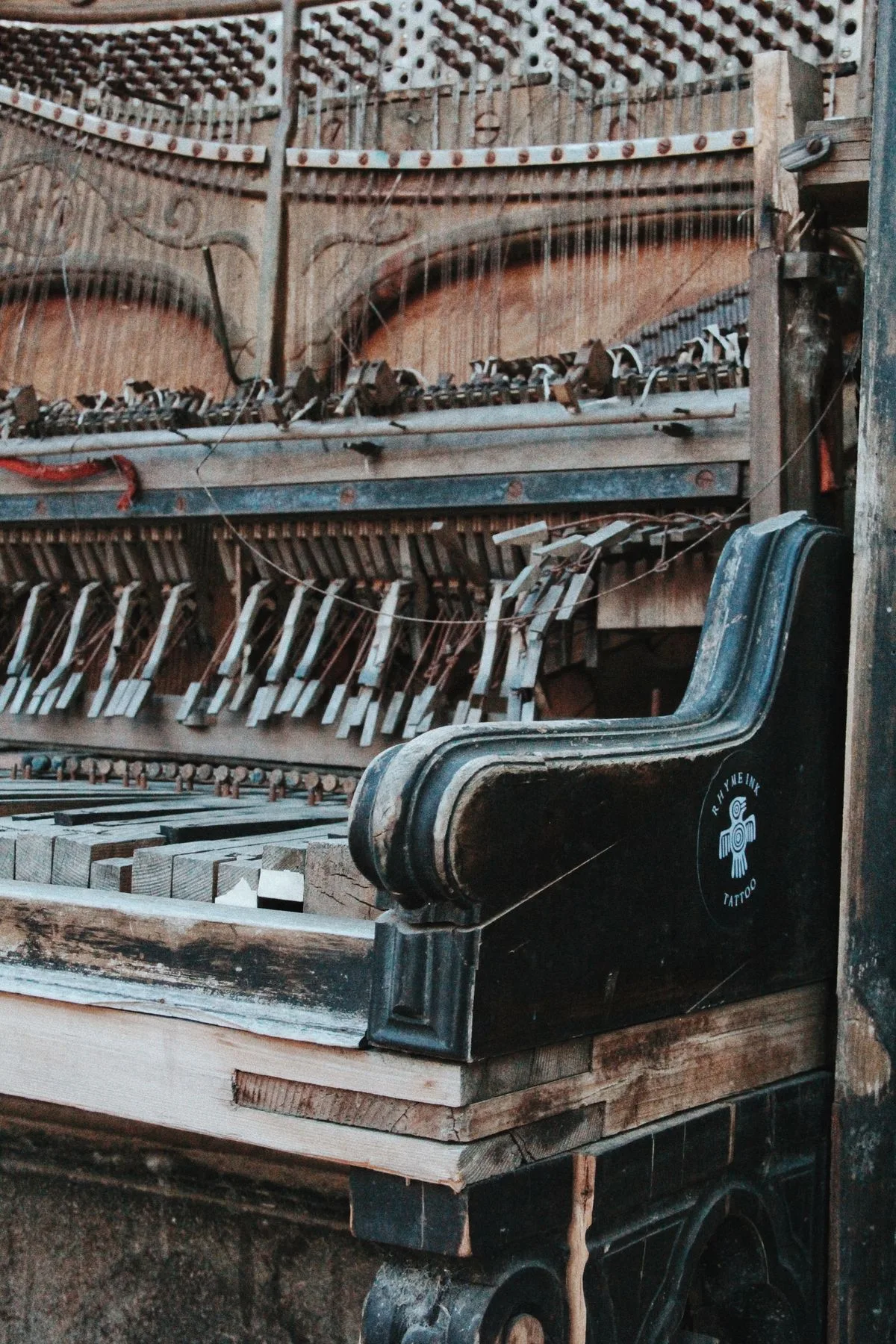
What actually decides a piano move
Weight matters less than the route. A 300kg upright on a ground floor with a level path is a calm hour. The same instrument on a third-floor tenement landing with a tight turn at the bottom is a different job that needs planning, and occasionally a different answer altogether.
| Instrument | Typical weight | How it moves |
|---|---|---|
| Small upright | Around 180 to 250kg | Upright trolley and straps, kept vertical throughout. |
| Overstrung or full upright | Around 250 to 350kg | Larger crew for stairs, corners protected, castors never trusted. |
| Baby grand | Around 250 to 350kg | Lyre and legs removed, body onto a padded skid board, wrapped. |
| Grand | 350kg and upwards | Same again with more hands, and a route that has to be measured, not estimated. |
| Digital piano | Usually under 100kg | Straightforward, though the stand and the action still deserve wrapping. |
Weights are typical ranges rather than promises. Tell us the make, model and rough age and we will work to the real figure.
Pianos we move
Piano movers Edinburgh households call are usually needed for one instrument rather than a whole house, and we take those jobs on their own as happily as part of a full move.
Uprights and cottage pianos
The most common piano move in the city, and the one most often on a stair. Kept upright throughout, strapped to a trolley, with the stairwell and bannisters protected before we start.
Baby grands and grands
The lyre, legs and pedals come off, the body goes onto a padded skid, and the whole instrument is wrapped before it leaves the room. Reassembled and levelled at the other end.
Within the same building
Room to room, or upstairs to down. Short moves still need the same protection, and are usually the ones people underestimate most.
Into and out of storage
Pianos can be stored, but they dislike damp and swings in temperature. We will tell you honestly what that means for a long gap before you book it.
How a piano move runs
Four stages, agreed in writing before anything is lifted.
Measure the route
Doorways, the tightest turn on the stair, landing width and the path to the van. We work to the narrowest point rather than the widest, at both addresses.
Prepare the instrument
Lid closed and locked, keys covered, legs and lyre removed on a grand, then blanket-wrapped so nothing touches a frame or a wall in transit.
The move itself
Skates, straps and a crew sized to the weight and the stair. Stairwells and door frames protected first, and the piano kept controlled rather than balanced.
Position and settle
Reassembled, levelled and placed where you want it, ideally on an interior wall away from a radiator or a window.
Send us the piano and the stair
Make and model if you know it, the floor at both addresses, and a photo of the stair or the tightest turn. That tells us more than any description, and it means the quote you get back is the price you pay.
Where a piano move gets difficult in Edinburgh
The instrument is rarely the hard part. The building usually is, and these four situations account for most of the awkward jobs we quote.

Tenement stairs and half-landings
The classic Edinburgh piano problem. Stone stairs are fine underfoot, but the turn at a half-landing is often the narrowest point in the whole building.
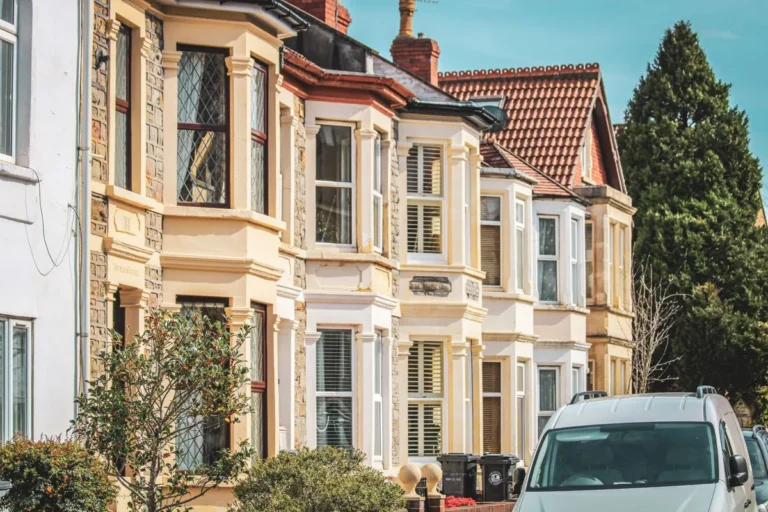
New Town basements and railings
Down external steps with a railing on one side and a drop on the other. Often the route out is narrower than the room the piano has sat in for decades.
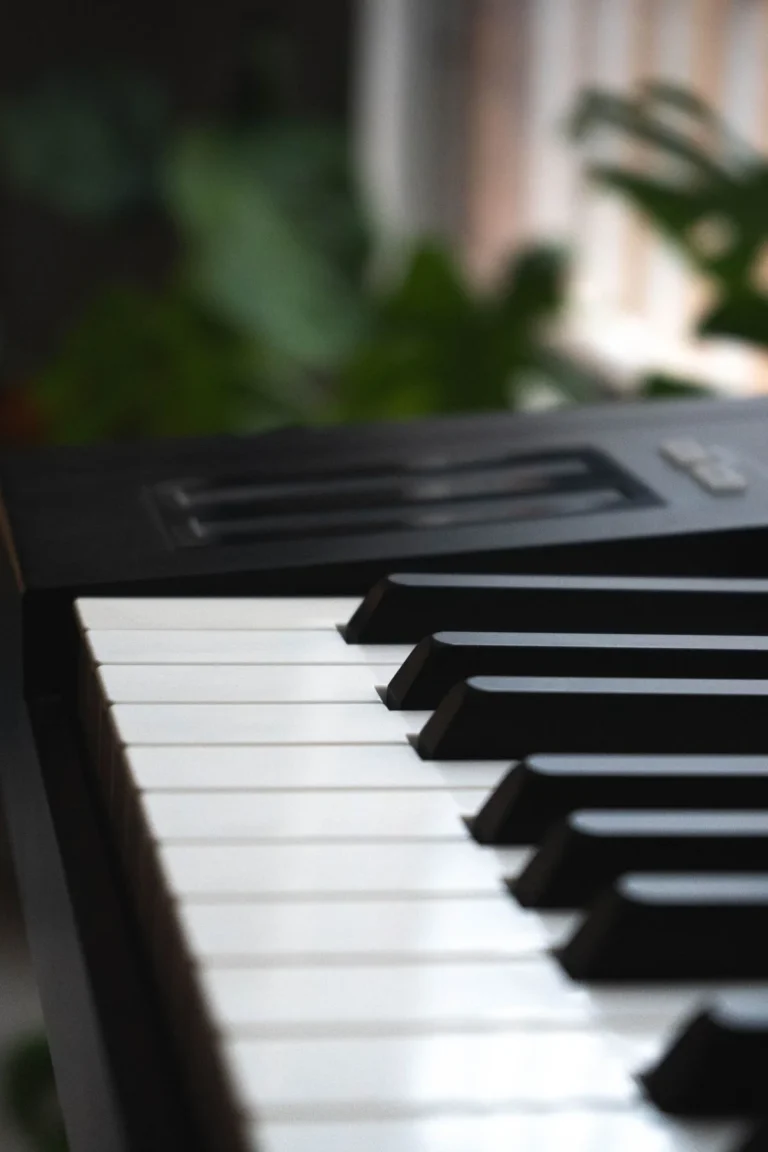
Ground floor and driveways
The straightforward end of the scale. Level access at both addresses turns a difficult instrument into an ordinary morning.
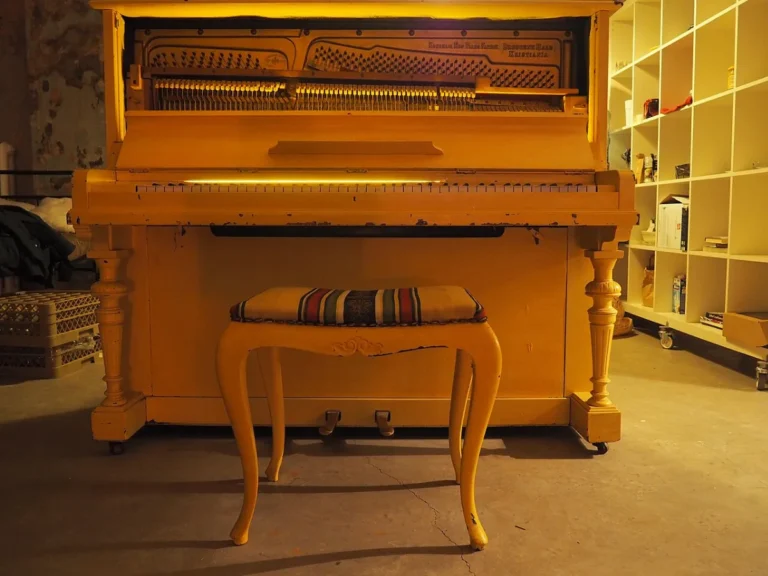
Halls, churches and schools
Uprights and grands moved within or between venues, usually around a booking calendar rather than a moving date.
Four things worth knowing about moving a piano
The parts people ask about after the move, which are easier to handle before it.
Tuning after the move
A piano needs to settle in its new room before it is worth tuning, usually a few weeks rather than a few days, because the wood and strings respond to a change in temperature and humidity. Booking a tuner for the same afternoon is money spent twice.
Where it should stand
Away from radiators, direct sun and external walls where you can manage it. An interior wall in a room that stays roughly even in temperature is kinder to the instrument than the window bay it looked good in.
When the answer is no
Occasionally a piano cannot come out the way it went in, because a stair was rebuilt, a door was narrowed or it arrived before a wall existed. We say so at survey, rather than starting and finding out with the instrument halfway.
Value and insurance
Cover applies as standard, but an instrument worth substantially more than an ordinary piano should be declared before the day rather than discussed afterwards. Tell us the make, model and any recent valuation.
Why use a removal firm for a piano
Piano removals in Edinburgh go wrong for the same reasons house moves do: not enough people, no protection on the stair, and nobody measured the turn. We treat the instrument as the hardest part of a bigger job we already know how to run.
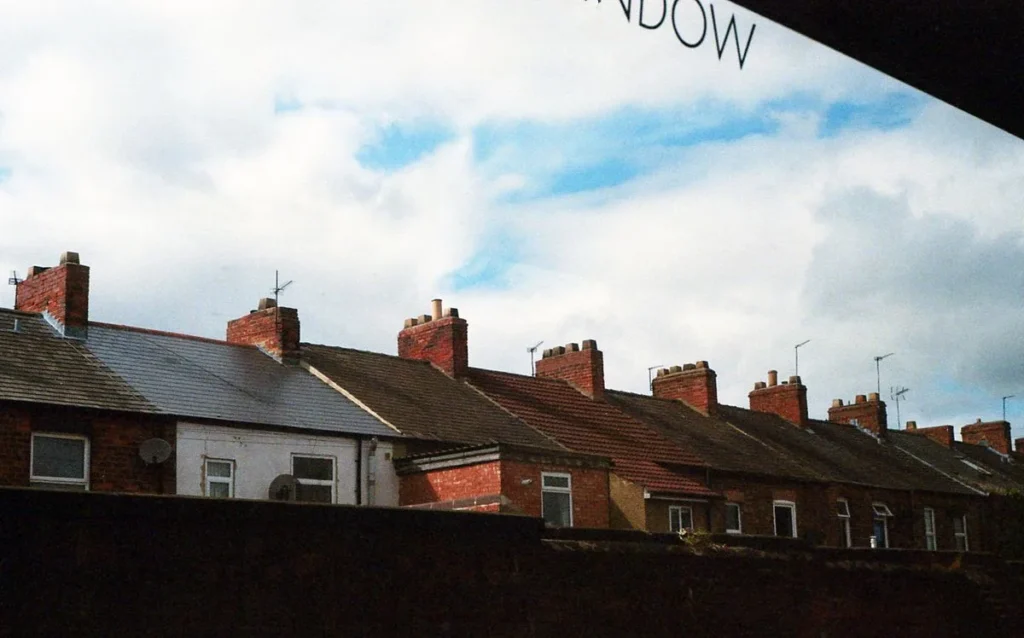
We measure before we lift
The narrowest turn decides everything. We work it out with a tape at survey, not with an instrument balanced on a landing.
A crew sized to the weight
Pianos go wrong when there are too few hands and someone takes the load alone. We send the number the job needs rather than the number that keeps the price low.
Honest about the hard ones
If a piano will not come out safely, or an old instrument is not worth the cost of moving it, we will say so. That is a better conversation before the day than during it.
Moving the whole house and the piano together? That is priced as one job under house removals in Edinburgh. Just the instrument and a few other pieces? See man with a van. Need it stored while you move? Removals and storage covers the gap, and every service sits on our services page.
Piano removals in Edinburgh: your questions answered
The questions owners ask us most often before booking.
The instrument sets the crew size and the building sets the time, so both go into the price. A ground-floor upright moved a short distance is at one end of the scale, a grand coming down a tenement stair is at the other. We quote after seeing the route, or after photographs if that is easier, and the written figure holds unless the access turns out to be different from what we were shown.
Usually yes, and it is the most common piano job in this city. The deciding factor is the narrowest turn rather than the number of flights. We measure it beforehand, protect the stairwell and bannisters, and send enough people that nobody is ever taking the weight alone. Where the turn is genuinely too tight, we tell you before the day rather than during it.
Yes. The lyre, the legs and the pedal assembly come off, the body goes onto a padded skid board and is wrapped before it leaves the room, then everything is reassembled and levelled at the other end. Uprights stay upright throughout, which is the safer position for the action and the strings.
Almost certainly, but not immediately. A piano responds to the temperature and humidity of its new room, and it needs a few weeks to settle before a tuning will hold. Booking a tuner for the same week is usually money spent twice. We are removers rather than tuners, so we will not pretend to do that part for you.
An interior wall, away from radiators, direct sunlight and draughts, in a room that stays reasonably even in temperature. Bay windows and the wall beside a fireplace look lovely and are harder on the instrument. Tell us where you want it and we will place it there, but we will mention it if the spot is likely to cause trouble.
Yes, though pianos are less happy in storage than furniture, because damp and swings in temperature do them no favours. For a short gap between houses it is fine. For a long spell, it is worth a conversation first, and we would rather have that conversation than take the booking quietly.
Either. Plenty of our piano jobs are a single instrument between two addresses with nothing else going. If you are moving house anyway, the piano is priced into the same quote rather than treated as a separate visit.
It happens, usually because a stair was rebuilt or a doorway narrowed after the instrument arrived. If we can see that at survey we tell you then, and talk through the options honestly, including the possibility that a specialist hoist is required. What we will not do is start the job and discover it halfway.
Get a quote for your piano move
Send the make and model if you know it, the floor at both addresses and a photo of the stair. We will come back with a fixed written quote, usually within one working day.